
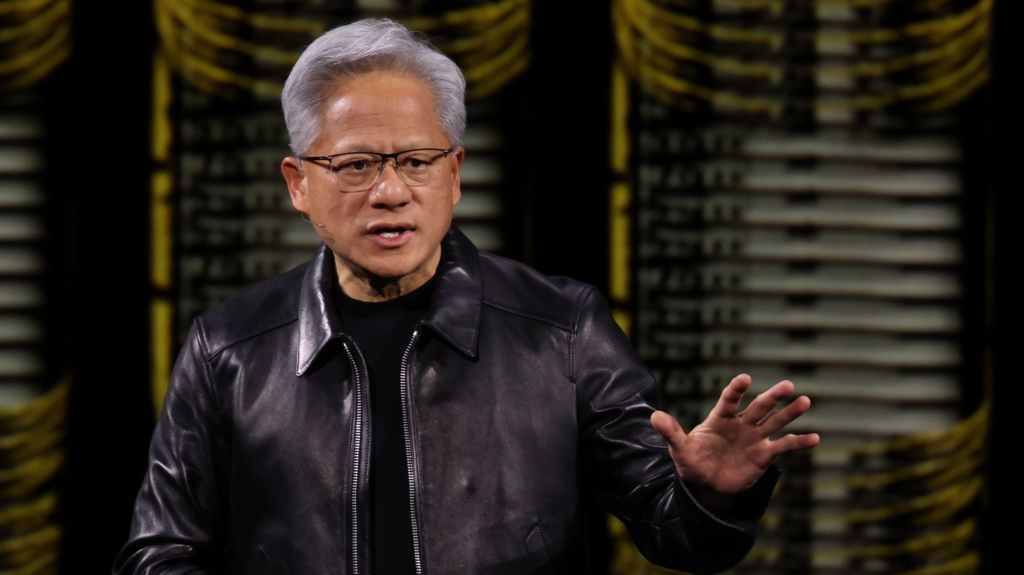
Although Jensen Huang is no longer leading Nvidia, his presence looms large over the upcoming talks between US President Donald Trump and Chinese leader Xi Jinping this week. For Beijing, the former chief executive's sudden downfall presents a significant obstacle, particularly amid allegations that a Chinese spy may have honey-trapped one of the leading figures in the artificial intelligence sector.
Instead, the controversy surrounding Huang and his involvement with Chinese businesswoman Alice Huang is evolving into another diplomatic flashpoint within fragile bilateral ties. American intelligence assessments allege she maintained connections to China's civilian intelligence agency, the Ministry of State Security. While unproven, the accusation has revived debates in Washington regarding advanced chip exports and whether the administration has relaxed controls too much.
High-performance computer chips remain a central theater in the rivalry between Washington and Beijing due to their necessity for artificial intelligence, supercomputing, and military applications. Chinese authorities fear the controversy will embolden American policymakers advocating for tighter restrictions on cutting-edge technology access. The Trump administration recently enacted export controls targeting Chinese firms utilizing advanced US processors via third-party nations like Thailand, Malaysia, or Brazil, though targeted companies deny smuggling allegations.
Initially viewed as a minor diplomatic distraction, the issue risks escalation as Beijing labels the new regulations economic coercion just as Trump visits Shenzhen. Incoming Democratic congressional leaders have criticized the administration for being overly lenient toward Nvidia, signaling potential legislative pushes for stricter export controls. While the White House has been approached for comment, Beijing foreign ministry spokesperson Mao Ning dismissed the allegations last week as a smear campaign aimed at justifying technological blockades, while emphasizing continued communication between the two governments.
For the past year, both administrations have worked to stabilize relations following severe tariff disputes, with the late 2025 decision to permit sales of advanced Nvidia H200 chips signaling a mutual interest in cooperation. However, this opening is now at risk as historical precedence indicates security and espionage disputes easily disrupt diplomacy. Chinese analysts have drawn parallels to the 2023 surveillance balloon incident that derailed a planned visit by then Secretary of State Antony Blinken, noting how swiftly public scrutiny can freeze diplomatic engagement.
Despite these tensions, neither Trump nor Xi is expected to let the summit collapse, as both leaders face compelling domestic and economic incentives to maintain dialogue. China requires stable export-driven economic momentum, and Trump seeks foreign policy achievements alongside potential cooperation regarding conflicts in the Middle East. Furthermore, Beijing selected Shenzhen for the summit to highlight its technological achievements, while retaining strong retaliatory tools such as dominance over critical rare earth minerals should trade tensions escalate further.